
A Neighborhood with Deep Roots
Nestled in the north-central area of Arlington, TX, the Lindberg neighborhood stands as a testament to the city’s enduring spirit and layered past. While you won’t always find its name in bold on tourist maps, any longtime Arlington resident will tell you that Lindberg holds a treasured place in the city’s story—one interwoven with family traditions, civic pride, and a commitment to progress.
Origins: From Farmland to Neighborhood
Lindberg’s beginnings trace back to the early 20th century, when Arlington was still very much a patchwork of fertile farmland and railroad crossings. The land that would become Lindberg was originally part of an agricultural expanse just north of downtown, bounded today by North Cooper Street to the east, Randol Mill Road to the north, and lanes like Windsor Drive and Meadowbrook Drive meandering through its heart.
As Arlington began to grow after the arrival of the Interurban Railway in 1902, small enclaves started springing up around the city. The Lindberg area saw its first homes in the late 1940s and ‘50s, built by families drawn to the promise of spacious lots and proximity to new schools and businesses.
A Name That Soars Above
The name “Lindberg” is instantly evocative for many Americans, conjuring thoughts of aviation pioneer Charles Lindbergh’s famous transatlantic flight in 1927. In fact, the neighborhood drew inspiration from this aviator’s legacy—though with a uniquely Texan twist. As post-war subdivisions spread across Arlington, developers often chose names with aspirational or heroic connections, hoping to capture the imagination of new homeowners. The Lindberg moniker nods to the era’s fascination with innovation and progress, while providing a memorable identity to the growing community.
Key Historical Milestones
Over the decades, Lindberg has experienced pivotal moments that define its character:
- 1950s-1960s: Growth Spurt
After WWII, returning veterans and their families sought stable, affordable communities. Houses with broad front lawns popped up along Windsor Drive and Meadowbrook Drive. The neighborhood’s proximity to the Arlington Heights and Butler Elementary Schools made it a natural choice for young families.
- 1970s: Becoming Part of a Modernizing Arlington
With General Motors and Six Flags Over Texas booming to the east, Lindberg’s working-class roots deepened. Quiet streets like Wayne Street and Ruth Drive bustled with block parties, while Randol Mill Park’s expansion drew picnickers and little league teams from all over the city.
- 1980s-1990s: Challenges and Renewal
As Arlington’s population swelled, Lindberg, like many central neighborhoods, faced pressures from new development and changing demographics. Smart investments in local facilities—such as rec center upgrades and improved green spaces—kept the neighborhood attractive to both long-timers and newcomers.
- 2000s-Present: Steady Evolution
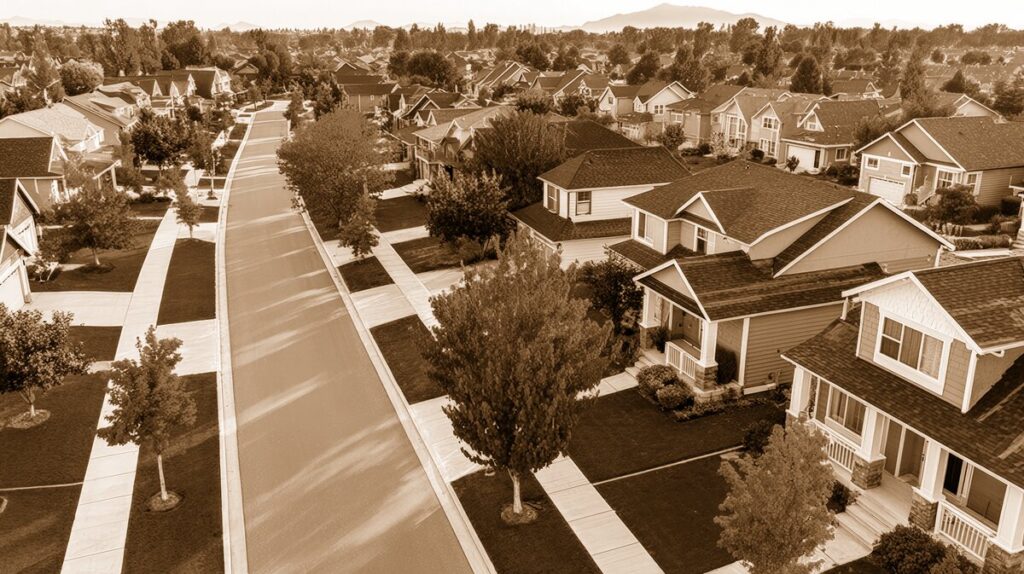
Today, Lindberg is a blend of original homes with mature trees, updated units, and a diverse population reflective of Arlington’s cosmopolitan spirit. New generations have brought a fresh energy, embracing both tradition and innovation in neighborhood events, school activities, and park revitalizations.
Notable Landmarks
Though Lindberg is mainly residential, certain places have become unofficial touchstones for the community:
- Randol Mill Park
The green heart of Lindberg. This expansive park along the northern edge offers walking trails, picnic tables, sports fields, and one of Arlington’s most popular aquatic facilities. Weekends buzz here with little league practices, family reunions, and outdoor festivals.
- Butler Elementary School
On North Cooper Street, Butler Elementary stands as an anchor for neighborhood families. Generations of students have walked its halls, and its PTA has long organized spring carnivals and book fairs where old-timers and newcomers mingle.
- West Elementary Playground & Community Garden
Nestled off Pecan Park Drive, this play space and small community garden show off Lindberg’s neighborly side—volunteers of all ages work together for plantings and summer reading circles.
- Charming Churches with Deep Roots
Several local churches, such as the nearby Fielder Church and St. Alban’s Episcopal, have welcomed Lindberg residents for decades, hosting community meals, scouts meetings, and holiday events that knit the social fabric tight.
Streets with a Story
Stroll through Lindberg and notable avenues offer glimpses into local life:
- Meadowbrook Drive
Once a dirt track, now a leafy thoroughfare lined with mid-century brick homes whose porches tell stories from every era.
- Windsor Drive
A favorite for joggers in the evening, thanks to its gentle curves and tall, old pecan trees.
- Randol Mill Road
More than a boundary, this busy road has long been the neighborhood’s bustling edge, connecting residents to scaled-up shopping and central Arlington.
Evolution and Endurance
What truly distinguishes Lindberg is its spirit—a sense of neighborliness that welcomes everyone, whether you’ve been here for fifty years or just moved in last month. Block associations, active school PTAs, and park volunteers keep the community involved and informed. At Halloween, you’ll find porch lights shining and children darting across Windsor Drive in costume. In summer, front yard lemonade stands pop up, and annual park clean-up days draw dozens of helpers.
Recent years have witnessed thoughtful renovations, from restored mid-century homes to new playground equipment in local parks. The neighborhood’s convenient proximity to UTA, Texas Health Arlington Memorial Hospital, and vibrant downtown Arlington has drawn young professionals and families alike.
Why Lindberg Remains Special
Lindberg’s story—rooted in American optimism, family values, and adaptability—mirrors that of Arlington itself. It’s a place where old oak trees frame new beginnings, and neighbors look out for one another in ways both big and small. As the city continues to evolve, Lindberg’s sense of heritage and community involvement ensures its place as one of Arlington’s enduring gems.
So whether you’re here for the parks, the people, or the promise of a tightly knit community, Lindberg welcomes you—past, present, and future.